
Original Equipment Tires for Electric Cars
Why Your EV’s Tires Can’t Be an Afterthought
Electric vehicles demand tires that do more than just grip the road. OE tires are designed to address unique challenges: handling instant torque, supporting heavier battery packs, and minimizing energy loss to maximize range. Swap them for generic alternatives, and you risk sacrificing efficiency, safety, or even the functionality of driver-assist systems.
This article examines how OE tires for EVs — from Teslas to budget models like the Nissan Leaf — are developed using real-world testing and engineering data. You’ll learn:
-
How Michelin Pilot Sport 4S tires handle the Model 3’s acceleration without excessive wear.
-
Why Nissan Leaf’s OE tires add 15–25 miles of urban range compared to non-OE options.
-
The science behind winter tires like Michelin X-Ice, tested in extreme cold to retain flexibility.
We focus on measurable outcomes: manufacturer test results (Michelin, Continental), third-party evaluations (ADAC), and documented performance gaps between OE and aftermarket tires.
Tesla OE Tires
When discussing electric vehicles, Tesla often comes to mind first, setting benchmarks in performance and design. Due to Tesla vehicles' immediate electric torque and weight, their original equipment (OE) tires must meet specific technical standards.
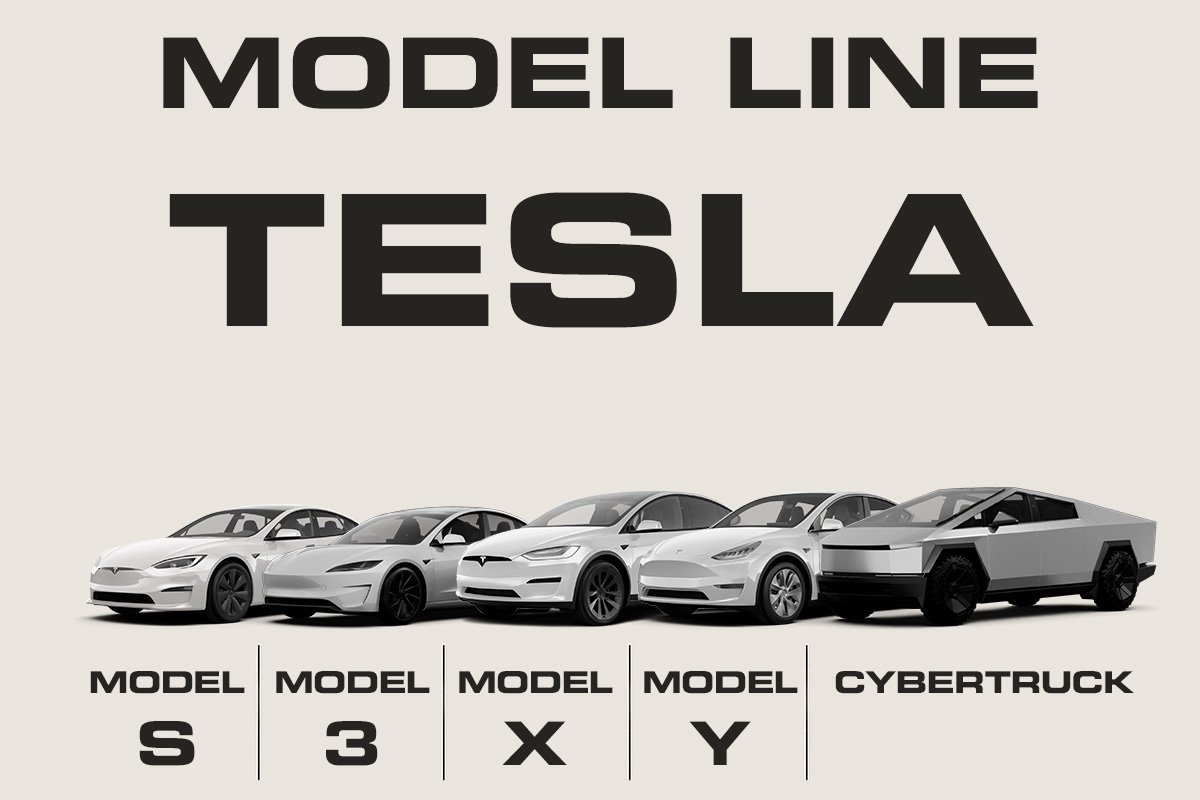
Michelin Pilot Sport 4S, factory-installed on Tesla Model S and Model 3, features reinforced sidewalls to maintain structural integrity under rapid acceleration, verified by Michelin's internal tests. Similarly, the Hankook Ventus S1 evo³ AS and Goodyear Eagle Touring include internal foam layers proven to reduce cabin noise by 3-5 decibels.
OE tires are fully compatible with Tesla’s Tire Pressure Monitoring System (TPMS), reducing false alarms and warranty concerns. Additionally, Continental's ProContact RX tires, factory-fitted on Tesla Model Y, have shown 10-15% slower tread wear compared to aftermarket options, according to durability tests.
Seasonal considerations are also crucial. Tesla officially recommends winter tires such as the Pirelli Winter Sottozero 3, which demonstrated reliable performance on snow and ice in tests conducted by ADAC.
| Vehicle Model | All-Season Tires | Summer Tires | Winter Tires | |
|---|---|---|---|---|
| Tesla Model 3 | Michelin Primacy MXM4, Hankook Kinergy GT, Hankook Ventus S1 evo³ AS, Michelin Primacy A/S, Continental ProContact RX, Goodyear Eagle Sport A/S | Michelin Pilot Sport 4S | Pirelli Winter Sottozero 3 (Dealer Recommended) | |
| Tesla Model S 2021+ | Goodyear Eagle Touring, Hankook iON Evo AS (Dealer Recommended) | Michelin Pilot Sport 4S | Pirelli Winter Sottozero 3 (Dealer Recommended) | |
| Tesla Model S 2012-2020 | Goodyear Eagle RS-A2, Goodyear Eagle Touring, Michelin Primacy MXM4 | Continental ContiSportContact 5P, Michelin Pilot Sport 4S (Dealer Recommended) | Pirelli Winter Sottozero 3 (Dealer Recommended) | |
| Tesla Model Y | Continental ProContact RX, Pirelli Scorpion Zero AS, Goodyear Eagle F1 Asymmetric 5, Michelin Pilot Sport AS 4, Hankook iON Evo AS SUV | Pirelli P Zero (PZ4) (Dealer Recommended) | Pirelli Winter Sottozero 3 (Dealer Recommended) | |
| Tesla Model X 2021+ | Continental CrossContact LX Sport, Pirelli Scorpion Zero AS | Michelin Pilot Sport EV, Continental SportContact 6, Goodyear Eagle F1 Asymmetric 3 | Pirelli Scorpion Winter (Dealer Recommended) | |
| Tesla Model X 2015-2020 | Michelin Latitude Tour HP, Continental CrossContact, Pirelli Scorpion Zero Asimmetrico | - | Pirelli Scorpion Winter (Dealer Recommended) | |
| Tesla Cybertruck | Goodyear Wrangler Territory R/T, BFGoodrich All-Terrain T/A KO2 (Dealer Recommended) | - | Goodyear Wrangler DuraTrac (Dealer Recommended) |
European EV OE Tires
European electric vehicles like the Porsche Taycan, Audi e-tron, BMW i4, Jaguar I-PACE, Mercedes-Benz EQS, and Volkswagen ID.4 require specialized tires due to their weight and instant torque. Porsche’s internal tests (2020) indicate the Taycan’s Pirelli P Zero Elect tires offer 15% better grip than standard sports tires, thanks to a high-silica compound and reinforced structure, along with noise-reducing layers that lower cabin noise by 2–3 decibels.
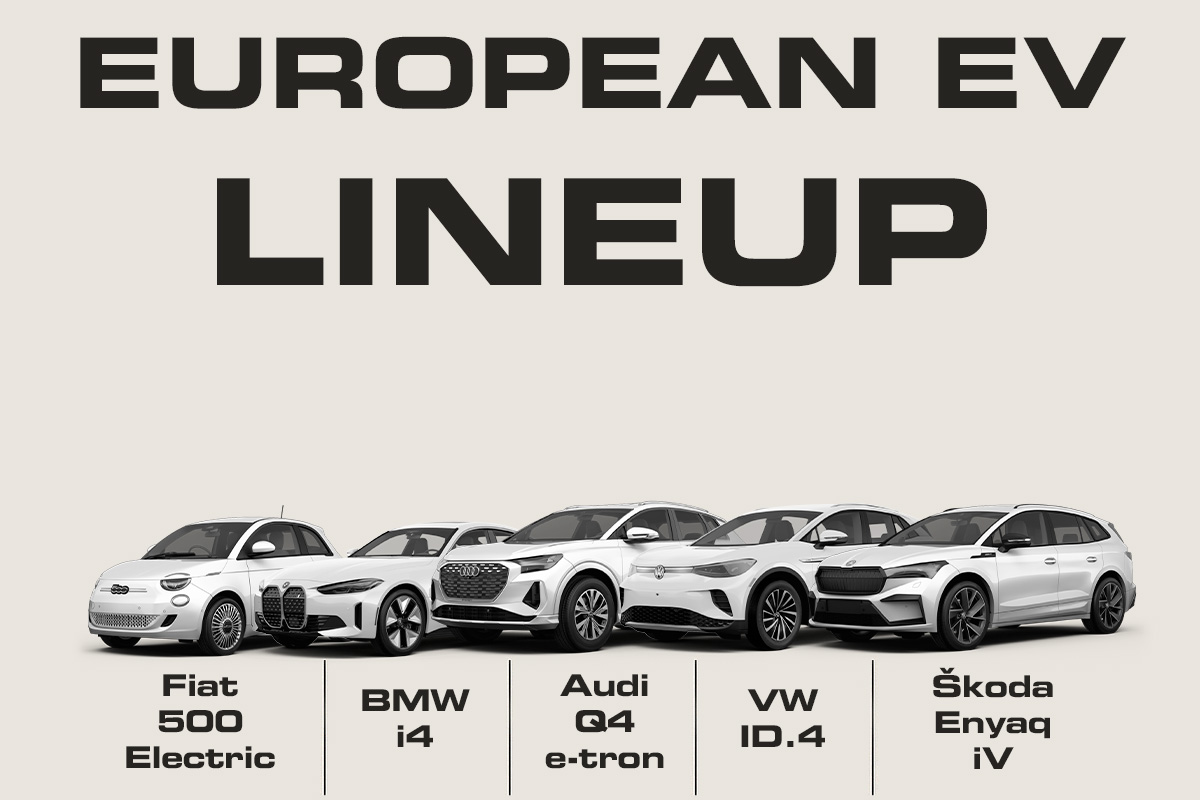
Audi equips the e-tron with tires featuring tread patterns designed to reduce road noise and enhance comfort. BMW and Volkswagen also select tires specifically engineered for electric vehicles, like the Hankook Ventus S1 evo 3 and Bridgestone Alenza, focusing on efficiency and extended driving range. Mercedes-Benz and Jaguar prefer tires such as Goodyear Eagle Touring and Continental PremiumContact 6, prioritizing balanced handling and comfort suitable for EV characteristics.
| Vehicle Model | All-Season Tires | Summer Tires | Winter Tires |
|---|---|---|---|
| Porsche Taycan | – | Pirelli P Zero (PZ4, NF0), Michelin Pilot Sport 4S (N0), Hankook iON evo | Pirelli P Zero Winter (Dealer Recommended) |
| BMW i4 (G26) | – | Hankook Ventus S1 evo 3, Pirelli P Zero Elect | – |
| BMW i5 | – | Continental SportContact 7, Continental EcoContact 6 Q | Continental WinterContact TS 860 S (Dealer Recommended) |
| Jaguar I-PACE | – | Continental PremiumContact 6 | Michelin Latitude Sport 3 (Dealer Recommended) |
| Mercedes-Benz EQS | Goodyear Eagle Touring | - | Pirelli Winter Sottozero 3 (Dealer Recommended) |
| Audi e-tron | – | Goodyear Eagle F1 Asymmetric 3, Pirelli Scorpion Winter | – |
| Volkswagen ID.4 | Bridgestone Alenza, Pirelli Scorpion, Hankook Ventus S1 evo³ EV | Hankook Ventus S1 evo³ EV | – |
Budget EV OE Tires
And of course, we couldn’t overlook budget electric vehicle models, where tire choice directly impacts critical metrics: range, safety, and integration with onboard systems.
Modern OE tires for budget EVs, such as Michelin Energy Saver or Bridgestone Ecopia EP422, are engineered to prioritize reduced rolling resistance. In Michelin’s 2020 tests, these models demonstrated a 4–6% range increase for the Nissan Leaf — equivalent to 15–25 extra miles in urban driving — achieved through optimized casing structures that minimize deformation during rotation. Aerodynamic tread grooves, validated in wind tunnels, reduce turbulence, a crucial factor for compact EVs with limited battery capacity.
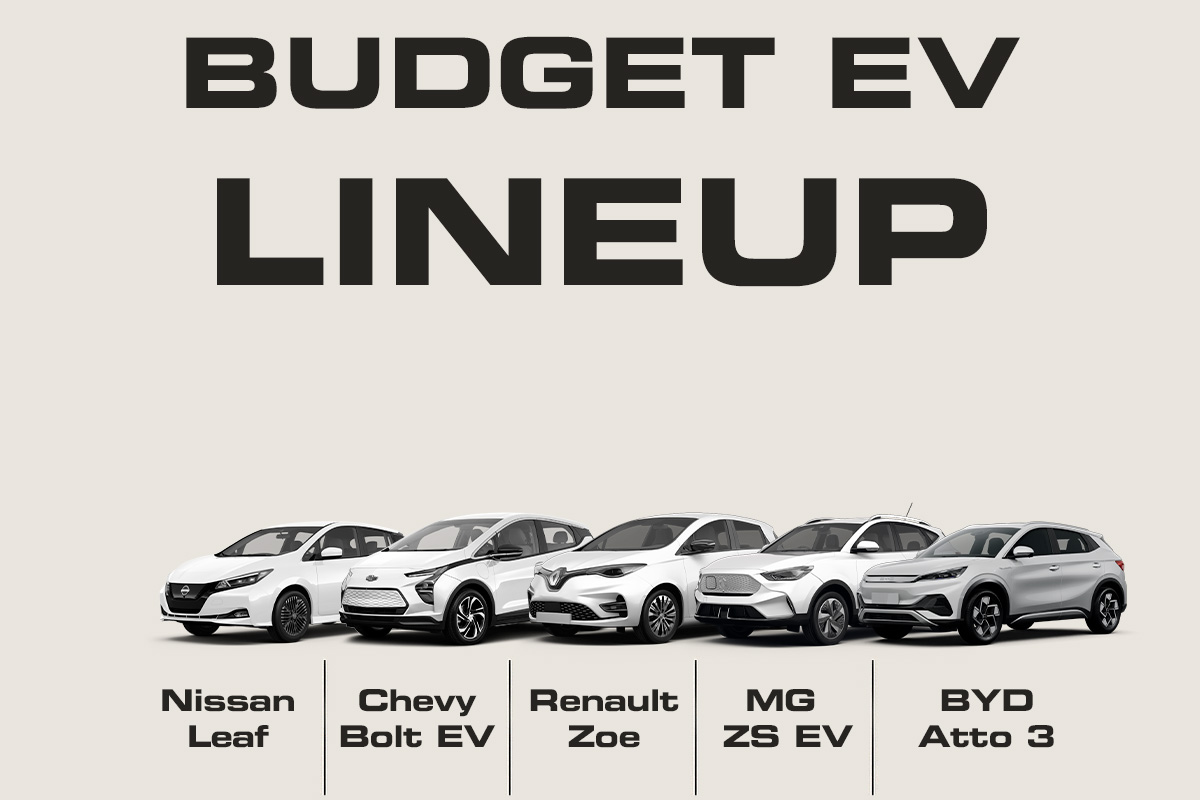
However, energy efficiency must not compromise safety. ADAC’s 2019 wet-road braking tests revealed that budget summer tires with harder rubber compounds, such as certain aftermarket alternatives, extended stopping distances by 10–15% compared to OE tires like the Michelin Energy EV for the Renault Zoe. The cause lies in reduced rubber elasticity, which degrades grip in low-traction conditions.
Compatibility with vehicle electronics is equally critical: adaptive cruise control and regenerative braking in models like the Chevrolet Bolt or MG ZS EV are calibrated for specific sidewall stiffness and tread response. For instance, the Michelin CrossClimate 2 for the Bolt ensures consistent road contact, reducing stability system interventions and maintaining ride smoothness.
Winter performance demands specialized solutions: recommended tires like the Michelin X-Ice for the Leaf or Hankook iON Evo for the BYD Atto 3 combine low rolling resistance with cold-adaptive sipes that remain flexible at -20°C, as confirmed by Scandinavian field tests (2024).
| Vehicle Model | All-Season Tires | Summer Tires | Winter Tires |
|---|---|---|---|
| Nissan Leaf | Bridgestone Ecopia EP422, Michelin Energy Saver A/S, Dunlop Enasave / Conquest | – | Michelin X-Ice (Dealer Recommended) |
| Chevrolet Bolt | Michelin Energy Saver A/S Selfseal, Michelin CrossClimate 2 (Dealer Recommended) | – | – |
| Renault Zoe | – | Michelin Energy EV | Michelin Alpin 6 (Dealer Recommended) |
| MG ZS EV | Maxxis Bravo HP-M3, Michelin Primacy 3 | Goodyear EfficientGrip Performance 2 (Dealer Recommended) | – |
| BYD Atto 3 | – | Continental EcoContact 6 Q | Hankook iON Evo (Dealer Recommended) |
FAQs
Most frequently asked questions about OE tires for electric cars:
- Q: What’s the risk of using non-OE tires on a Tesla?
A: You can trigger TPMS errors, increase cabin noise, wear them out faster, or even affect regen braking behavior. - Q: Why are OE tires tied so closely to EV software systems?
A: Because systems like regen braking, stability control, and adaptive cruise are tuned to work with specific tire stiffness and grip profiles. - Q: Can non-OE tires cause inconsistencies in EV range predictions?
A: Yes. Range estimators are tuned to the rolling resistance and profile of OE tires — swap them, and the system may miscalculate real-world efficiency. - Q: Why do EV manufacturers invest in tire-specific wind tunnel and road noise testing?
A: Because OE tires contribute to aerodynamic efficiency and interior acoustics — both crucial in EVs where every watt and decibel counts. - Q: If aftermarket tires sometimes outperform OE ones in tests, why do EV manufacturers still insist on OE-only recommendations?
A: Because OE tires ensure system-level reliability. They’re calibrated with the vehicle’s software, suspension, and safety systems — something aftermarket options aren’t validated for across all conditions.
Conclusion
EV-specific tires aren’t a marketing trick — they’re engineered survival gear. Every kilowatt matters in an EV, and OE tires are optimized to squeeze maximum range from your battery while handling the car’s unique demands: the crushing weight of the battery pack, instant torque that shreds ordinary rubber, and silent operation that magnifies every vibration.
Skip them, and you’ll pay — literally. A Nissan Leaf on generic tires loses up to 25 km of urban range. A Tesla Model 3 with mismatched tires might trigger stability control errors because the sidewalls flex differently under regenerative braking. Winter? Non-OE tires on a Porsche Taycan turn icy slopes into a slip-and-slide — all while cabin noise creeps up like a bad soundtrack.
Are they worth the price? If you care about preserving your EV’s performance, safety, and warranty — yes. Engineers didn’t just slap “EV-ready” on the label. They redesigned the rubber compound, reinforced the structure, and tuned the tread to work with your car’s software, not against it. Aftermarket alternatives can work, but it’s like using a USB-C charger from a gas station: sometimes it’s fine, sometimes it fries your phone.
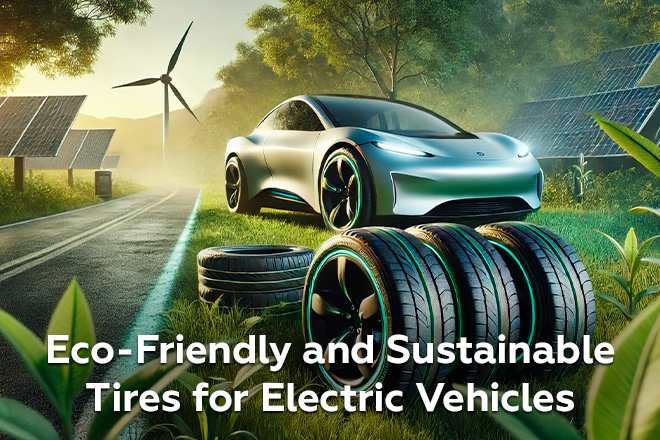
Eco-Friendly and Sustainable Tires for Electric Vehicles
Eco tires: Avoid greenwashing. Learn key certifications, CO2 savings, and top sustainable picks for informed, eco-conscious choices.
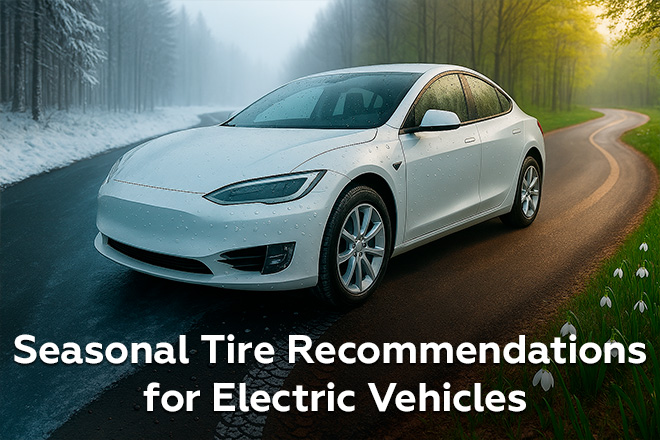
Seasonal Tire Recommendations for Electric Vehicles
EV tire guide: Winter vs summer vs all-season tires compared. Avoid 15% range loss, ensure safety, and optimize performance. Expert advice.
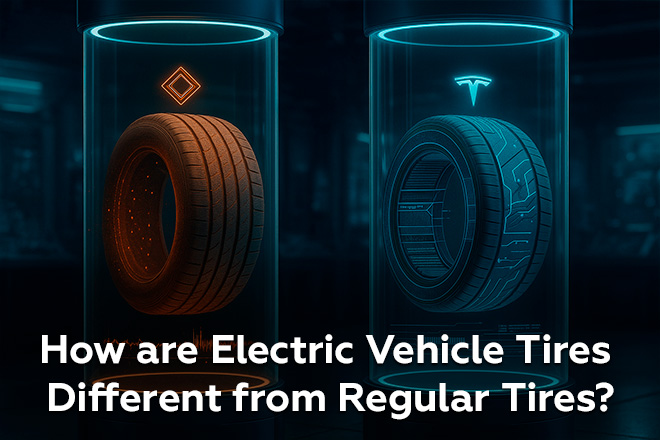
How are Electric Vehicle Tires Different from Regular Tires?
Lose 15% EV range with regular tires? EV-specific tires boost efficiency, reduce noise, handle torque. Essential guide for EV owners.
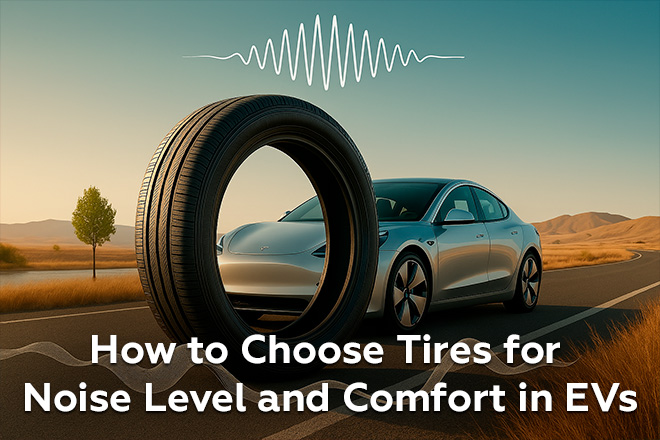
How to Choose Tires for Noise Level and Comfort in EVs
EV tires: Acoustic foam, tread design & ISO tests reduce noise. Choose quiet, comfortable options for your electric vehicle. Expert insights inside.
Tire Maintenance and Longevity for Electric Vehicles
EV tire care: Avoid 30% faster wear with proper pressure checks, rotation, and winter tires. Maximize range and safety now.